Date:- Phase 1: 9:30-19:00 15-19 April, 2009-
Phase 2: 9:30-19:00 24-28 April, 2009-
Phase 3: 9:30-19:00 3-7 May, 2009
KINGTECH
ONLINE SHOW: http://kingtech.en.alibaba.com/
EMAIL: cnkingtech@gmail.com
Showing posts with label Range. Show all posts
Showing posts with label Range. Show all posts
Monday, April 13, 2009


Saturday, April 11, 2009
The Salt Method for Cleaning Cast Iron:
Using a thick paste of warm vegetable oil and salt does a great job of bringing rusty cast-iron pots and pans back to life. Following are the step to follow:
Rub the cast-iron pan with fine steel wool.
Wipe out loose dirt and rust with a cloth. Repeat steps 1 and 2 until the pan is largely cleared of rust.
Place the pan on the burner of your stove over medium-low heat. Add enough vegetable oil to coat the pan bottom heavily. Heat for 5 minutes or until the handle is too hot to touch. turn off the heat.
Depending on the size of your cast-iron pan, add approximately 2 to 4 tablespoons coarse salt to form a paste. The salt acts as an abrasive to gently srub any goop off the surface. Wearing a glove, scrub with a thick wad of paper towels, steadying the pan with a pot holder, scrub the pan, concentrating on the rusted spots but covering all surfaces with the oil and salt mixture. Add more salt or oil as needed.
Wash the pan with hot water and dish washing soap. Rinse the pan thoroughly in hot water, wipe dry, and then coat with a thin film of vegetable oil, wiping off any excess oil with additional paper towels.
To maintain your cast-iron pan after cooking in it, using coarse sale and a paper towel, scrub the pan. Dump the salt out and rinse the cast-iron pan in cold water. Wipe dry with a paper towel (if you still get a brown stain on the paper towel, dump more salt in and repeat the process), and then wipe a thin film of olive oil in the pan.
Rub the cast-iron pan with fine steel wool.
Wipe out loose dirt and rust with a cloth. Repeat steps 1 and 2 until the pan is largely cleared of rust.
Place the pan on the burner of your stove over medium-low heat. Add enough vegetable oil to coat the pan bottom heavily. Heat for 5 minutes or until the handle is too hot to touch. turn off the heat.
Depending on the size of your cast-iron pan, add approximately 2 to 4 tablespoons coarse salt to form a paste. The salt acts as an abrasive to gently srub any goop off the surface. Wearing a glove, scrub with a thick wad of paper towels, steadying the pan with a pot holder, scrub the pan, concentrating on the rusted spots but covering all surfaces with the oil and salt mixture. Add more salt or oil as needed.
Wash the pan with hot water and dish washing soap. Rinse the pan thoroughly in hot water, wipe dry, and then coat with a thin film of vegetable oil, wiping off any excess oil with additional paper towels.
To maintain your cast-iron pan after cooking in it, using coarse sale and a paper towel, scrub the pan. Dump the salt out and rinse the cast-iron pan in cold water. Wipe dry with a paper towel (if you still get a brown stain on the paper towel, dump more salt in and repeat the process), and then wipe a thin film of olive oil in the pan.

ONLINE SHOW: http://kingtech.en.alibaba.com/
EMAIL: cnkingtech@gmail.com
MSN: jp2009@msn.com
Friday, April 10, 2009
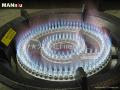
gas burner

Natural gas is often used for cooking or heating. Natural gas is a fossil fuel which is a non-renewable resource. please don't waste it
ONLINE SHOW: http://kingtech.en.alibaba.com/
EMAIL:
Saturday, April 4, 2009
Cookware - in the United States
In the face of steady decline in at-home cooking, the cookware market has seen a revival from 2002 to 2005. Previously curtailed by falling import prices, the market is now supported by a strong housing market and trend towards gourmet kitchens. More and more consumers see benefits in professional cookware and cutlery and sales have benefited accordingly.This report explores the interplay of different types of cookware. Stainless steel cookware is largely replacing aluminum. Cast iron and copper cookware saw a tariff-induced collapse followed by significant growth through Hispanic purchases. Bakeware has seen a resurgence due to silicone products. One of the themes underlying cookware sales is the division in the market into two parts: mass market and upscale (prestige) cookware. We analyze its proprietary consumer data, which provides a clear picture of how the cookware industry is likely to withstand the long-term trend away from home cooking. By their own categorization, today's consumers are not accomplished cooks, and cook less than they did several years ago. However, they very clearly place a high value on their kitchen and the time that they spend there. It appears that it is not a matter of how many meals consumers cook at home, or how complex the meals are, but rather how much importance consumers place on the time that they do spend in the kitchen.This report includes all non-electric items used for cooking or reheating food, which may be made of metal, ceramic, glass, or composite material:standard pots and saucepans, frying pans, woks, and casserole dishes designed for use on the stove or in the ovenbasting and roasting products such as roasting tins, baking sheets, loaf tins, and muffin traysniche products such as omelet/pancake pans, pasta pans, and asparagus steamerskitchen cutlery including knife blocks or sets, as well as open stock items such as cook's knives, carving knives, vegetable paring knives, cleavers, and all-purpose kitchen knivesThis report does not include products related to cookware, such as tableware, glassware, flatware, kitchen appliances
or gadgets.

WEBSITE: http://kingtech.en.alibaba.com/
EMAIL: cnkingtech@gmail.com
MSN: jp2009@msn.com
Thursday, April 2, 2009
Subscribe to:
Posts (Atom)